
Not all headaches are the same, and the treatment that suits one type can do nothing for another. Working out which type you have is the first step.
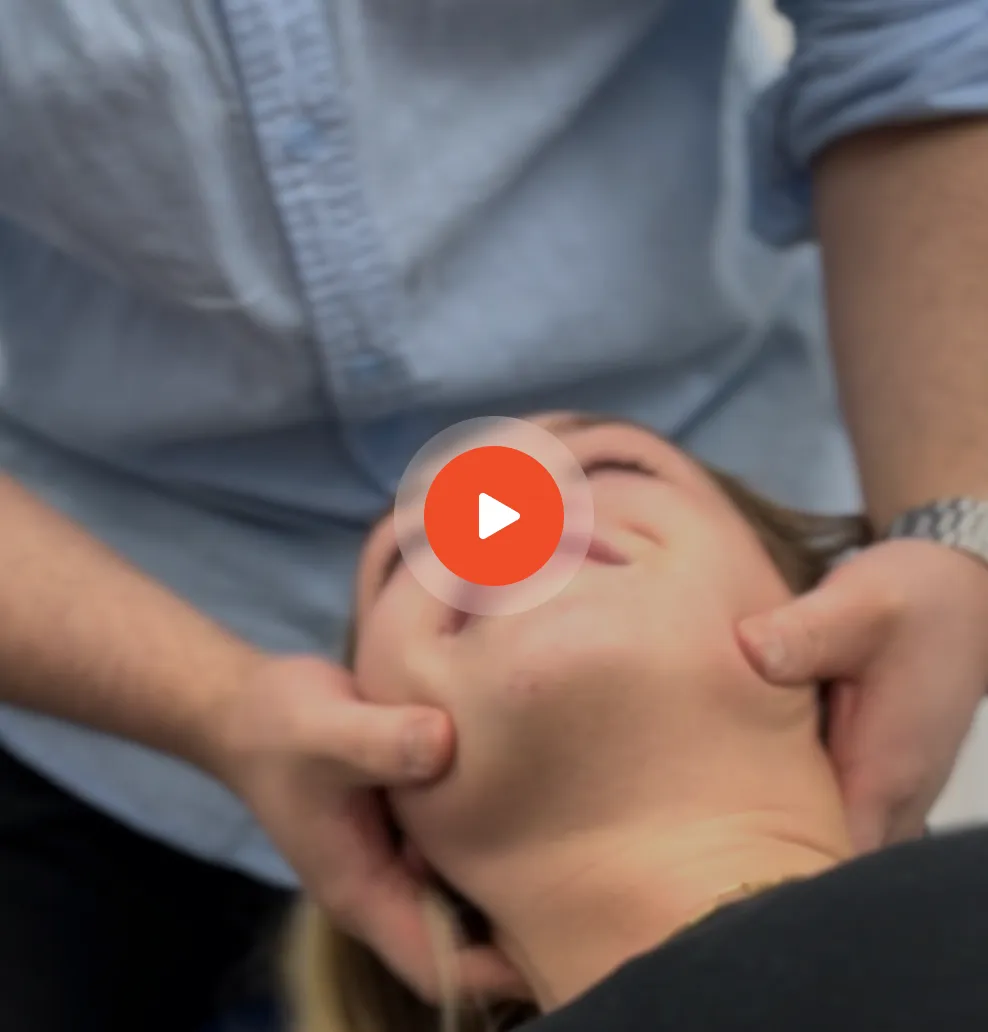
Some headaches begin in the joints and muscles of the upper neck, and these are the ones that most often respond to hands-on care.
Common types
- Tension-type headache: a band-like pressure, often with tight neck and shoulder muscles
- Cervicogenic headache: starts at the base of the skull and spreads forward, often one-sided and linked to neck movement
- Migraine: usually throbbing and one-sided, often with nausea or sensitivity to light and sound, sometimes preceded by an aura
How we assess
We ask about the pattern of your headaches, triggers, sleep, stress, screen use and training, then examine the neck, upper back and jaw. If the picture suggests something other than a neck-related headache, we will say so and suggest you see your GP.
What treatment involves
Where the neck is contributing, treatment may include gentle joint mobilisation or adjustment, soft tissue therapy of the neck and shoulder muscles, dry needling and posture and workstation advice. Migraine management often also involves sleep, hydration, trigger tracking and medical care, and we work alongside that rather than instead of it.
Headaches and training
Headaches that begin during or after exertion, or after a head knock, deserve proper attention. If your headaches started after a collision or concussion, get a medical assessment before returning to contact training.